When is a Data-Driven Framework Strategy Necessary for Playwright Success?
May 5, 2026

Automated testing needs a smart plan to manage information for different test cases. A data-driven framework is a key tool for this task. It is useful when scripts must run with many different input values. This method keeps the test steps separate from the actual data used. Doing this makes scripts easier to reuse and much simpler to maintain.
Teams often join a Playwright Automation Training program to learn these vital skills. Such training helps people understand how to handle dynamic data in a big project. Using this strategy keeps the code clean while testing more parts of the software. It ensures that the testing process stays organized as the project grows larger.
Why Choose Playwright for Data-Driven Testing?
This tool works well with modern websites because it is very fast. It has smart features that wait for page elements to load automatically. The tool handles many tasks at once without slowing down the test run. This speed is helpful when loading large files full of test information. It can run tests in several browsers at the same time to save time.
Learners often take a Playwright Automation with JavaScript Course to build these skills. JavaScript is a simple language that works great for managing data files. It is easy to use with files like JSON or CSV. This setup creates a strong testing space that can change quickly. It helps the team stay on track when the website features change often.
How Data-Driven Testing with Playwright Transforms Testing Strategy?
Moving to this model changes how a team works on automation. Instead of writing the same code many times, the team manages data files. Test cases are easier to read and check because the data stays in separate files. This change helps people who do not code to help with the testing. They can just update a data sheet to add new test cases.
A Playwright TypeScript Online Course shows how to make these frameworks more reliable. TypeScript checks the data to make sure it is in the right format. This prevents small mistakes from breaking the tests during a run. It makes the whole testing process more stable for the development team. Clean data leads to better results and fewer bugs in the final product.
How to Set Up Playwright for Data-Driven Testing?
Prepare the External Data Files:
Create a clean JSON file to store all the specific values for the test scenarios. This file acts as the single source of truth for every input the script needs. Using a separate file ensures that data remains independent from the core logic of the automation code.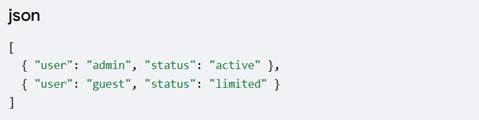
Import Necessary System Modules:
Load the built-in file system and path modules at the top of the test script. These modules provide the tools needed to open, read, and locate data files stored on the computer. This step is vital for establishing a connection between the script and the external data source.
Read and Parse the Local Data:
Use the script to reach out to the specific folder where the data file lives. Convert the raw text from that file into a structured list of objects that the script can use. This conversion process allows the test runner to understand and process each row of information individually.
Create the Main Test Loop:
Wrap the testing logic inside a loop that repeats for every entry found in the list. The script will take one row at a time and perform the actions on the website. This ensures that every piece of information is tested thoroughly without writing new code for each one.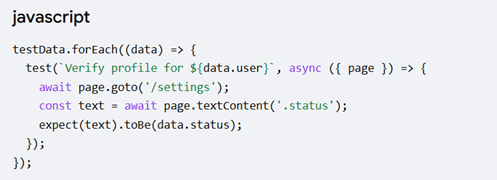
Execute the Final Test Script:
Trigger the execution command to start the automated process across all selected browser types. The framework will launch multiple instances to verify each scenario according to the data provided in the file.
When to Implement a Data-Driven Strategy?
When a test needs to run with many different user names and passwords.
If the website needs to be checked in different languages for various countries.
When a form has many boxes that need different types of information.
If the team wants to add new tests without changing any computer code.
When the software performs many different math tasks based on user input.
If the project has many repetitive steps that use different values each time.
Key Strategic Benefits
Easy Fixes: Changing the data does not require changing the main test code.
More Testing: One script can do the work of a hundred scripts easily.
Saved Time: The computer runs the tests faster when the data is organized.
Fewer Errors: Keeping data in one place helps avoid silly mistakes in the code.
Better Reports: It is easier to see which specific data caused a test to fail.
What are the Libraries in use?
The framework uses a few simple tools to read files and find folders. A tool called fs is used to open and read the data files. Another tool named path helps the script find where the files are stored. For bigger files, some teams use csv-parse to read simple spreadsheets. These tools are common and very easy to add to any project.
Conclusion
Using a clear plan for data makes automation work much better over time. It keeps the work simple and allows the testing to grow with the app. Keeping data separate from the steps makes it easier for everyone to understand. This strategy is a smart way to ensure the software works for every user. It provides a strong base for high-quality testing and fast results.